
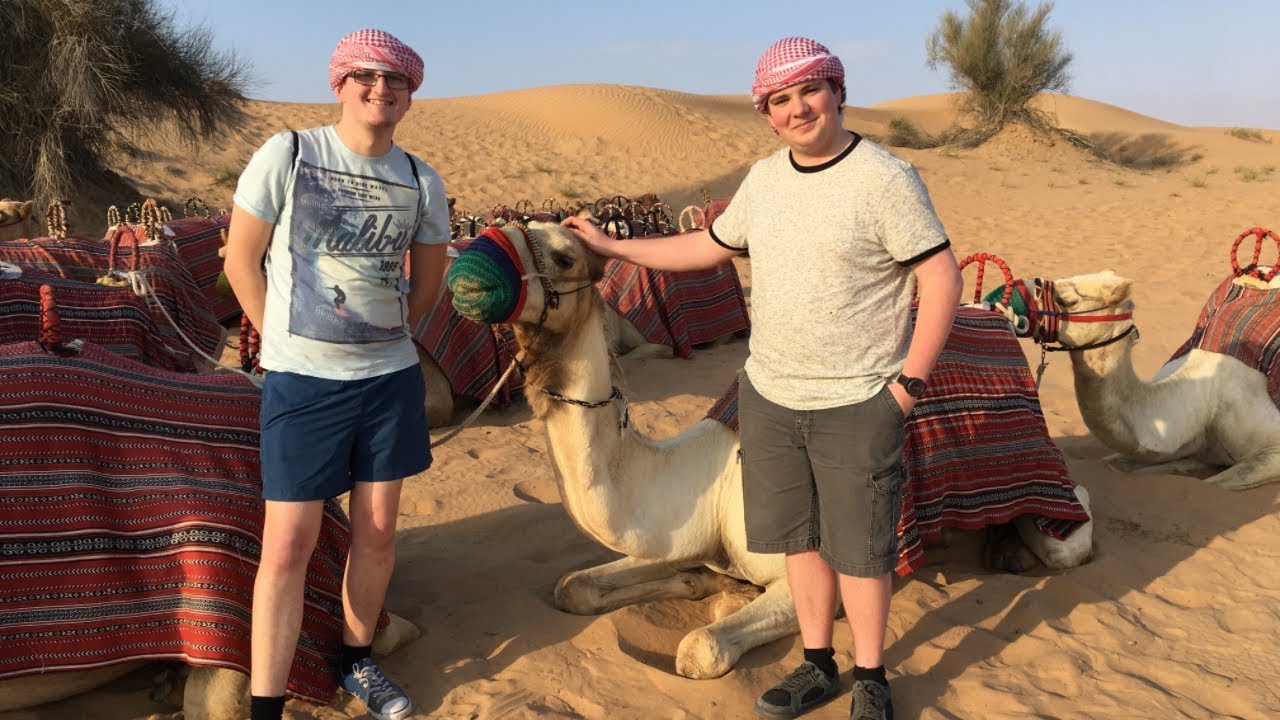
Complete Guide For Desert Safari Outfit in Sharjah
Planning a desert safari in Sharjah and not sure what to pack? You’re in good company. Clothing is one of the most Googled questions before any desert trip — and it matters more than people expect. The Sharjah desert is hot during the day, surprisingly cold at night, and full of sand that finds its way into everything. The right outfit keeps you comfortable throughout it all. The wrong one can make an amazing experience a miserable one.
This guide covers exactly what to wear, what to avoid, and what to throw in your bag before you go — whether you’re joining a morning safari, an evening dune bash, or spending the night under the stars.
Before You Pack: The Basic Rules
The Sharjah desert sits within one of the most extreme climates on earth. Daytime temperatures in summer can exceed 45°C, while winter nights can dip to 10°C or below. On top of that, the UAE is a Muslim country where modesty in dress is both a cultural norm and a sign of respect. Whatever season you visit, the following principles apply:
- Go light and loose — breathable cotton or linen over anything tight or synthetic
- Choose light colours — white, beige, sand, and khaki reflect heat; dark colours absorb it
- Cover your shoulders and knees — not a strict rule at the camp, but respectful and practical
- Always bring an extra layer — desert temperatures drop fast after sunset
- Wear closed-toe shoes — essential for dune bashing, quad biking, and camel riding
What to Wear by Season
The biggest mistake visitors make is packing for one type of weather when the desert delivers two in a single day. Use this table as a quick reference, then read the details below.
| Season | Daytime Temp | Evening Temp | What to Wear |
|---|---|---|---|
| Winter (Nov–Feb) | 20–28°C | 10–15°C | Jeans or trousers, long-sleeve shirt, warm jacket, scarf |
| Spring (Mar–Apr) | 25–35°C | 18–22°C | Light trousers, breathable shirt, light jacket for evenings |
| Summer (May–Sep) | 38–45°C | 28–33°C | Loose light-coloured cotton or linen, maximum sun protection |
| Autumn (Oct) | 30–38°C | 22–26°C | Light clothing, thin layer for evenings |

|
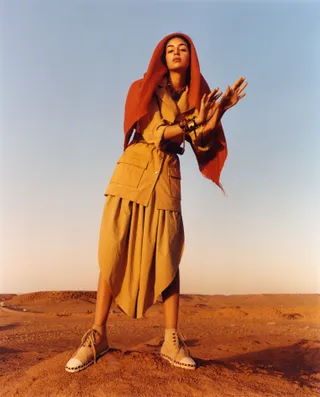
Winter Dressing (November – February)
Winter is the most popular time to visit Sharjah for a desert safari, and for good reason. Days are warm, sunny, and genuinely pleasant — ideal for all the outdoor activities from dune bashing to camel riding. The challenge is the evenings. Once the sun disappears, desert temperatures drop surprisingly fast, and the open-air camp can feel very cold by the time dinner is served. Wear jeans or trousers with a long-sleeve shirt during the day, and always pack a proper jacket — not just a light cardigan. A scarf is also worth bringing, both for warmth and for dust protection during the ride.
|
 |
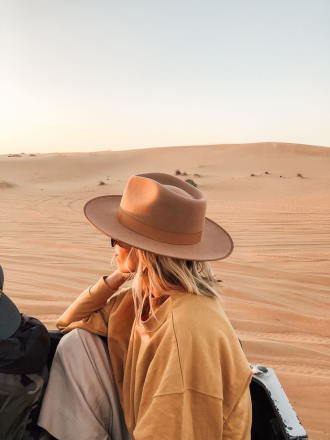
Spring (March – April)
Spring is one of the most comfortable times to be in the Sharjah desert. The heat is building but it hasn’t yet reached summer extremes, and the evenings are mild rather than cold. Light trousers and a breathable shirt is all you need during the day. You can skip the heavy layering, but a light jacket in your bag for after sunset is still a sensible idea — especially in March when the weather is still transitioning. This is a great season for active safaris like quad biking and sandboarding without worrying too much about the heat. |
 |
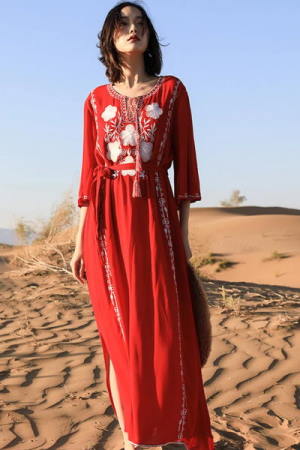
Summer (May – September)
Summer in the Sharjah desert is intense. Daytime temperatures regularly push past 40°C and the sun is relentless from mid-morning onwards. If you visit during these months, your clothing choices genuinely matter for your health and comfort. Stick to very loose cotton or linen in light colours — white, beige, and sand tones are best because they reflect sunlight rather than absorbing it. Avoid jeans entirely during summer; they are far too heavy and hold heat. Apply SPF 50+ sunscreen before leaving and reapply throughout the day. Most visitors wisely opt for evening or overnight safaris during summer to avoid the worst of the afternoon heat. |
 |
Autumn (October)
October is a transitional month in Sharjah — the brutal summer heat begins to ease, but it is still warm enough that you should dress as you would in summer for most of the day. By late October the evenings start to feel noticeably more comfortable, and you may find a light layer useful after dark. Think of it as summer clothing with a thin jacket on standby. It is also one of the quieter times to visit, which means less crowded safaris and a more relaxed experience overall. |
Choose lightweight, loose-fitting clothing that will keep you cool in the desert heat. Wearing clothing that is too tight or too thick might cause discomfort and dehydration. Choose breathable textiles, such as cotton or linen, or moisture-wicking fabrics, like synthetic blends.
Tops
A t-shirt or lightweight blouse is a suitable alternative for tops. Wearing tank tops or sleeveless shirts exposes your shoulders to the sun’s damaging rays. To protect your skin from sunburn and sand, choose long-sleeved shirts made of lightweight, breathable fabrics.
Bottoms
Choose lightweight shorts or loose-fitting pants for bottoms that are comfy and breathable. Wearing tight-fitting jeans or heavier textiles can be uncomfortable and hinder movement. If you prefer to wear shorts, apply sunscreen to your legs to avoid sunburn.
Recommended Footwear
Footwear It is critical to wear comfortable and robust footwear in the desert environment to protect your feet from the hot sand and harsh terrain. Wearing sandals or flip-flops exposes your feet to the outdoors and might cause blisters and the sand is hot, uneven, and gets inside everything. Here’s what works:
- Trainers or sneakers — the best all-round choice for most visitors
- Desert boots or hiking shoes — ideal if you plan to do a lot of walking or dune climbing
- Flat sandals with straps — acceptable at the camp, not for active activities
Shoes to wear on the Sharjah desert tour
A desert safari tour is best done in sneakers or closed-toe shoes. They give strong foot support and protect your feet from the hot sand and pebbles. To keep your feet cool in hot weather, wear shoes that are both comfortable and well-ventilated.
Another great option for a desert safari vacation is good shoes. They provide additional protection for your feet, ankles, and toes against difficult terrain. To avoid slipping on the sand, consider a pair of footwear with strong traction.
Accessories
In the desert area, accessories can provide additional protection from the sun and sand. These are some desert safari tour accessories to consider:
Hats
A hat is a must-have accessory for shielding your head and face from the sun’s harmful rays. Pick a hat with a wide brim that will shade your face, neck, and shoulders.
Sunglasses
Sunglasses are an essential tool for protecting your eyes from the harsh desert sun. Pick a pair of sunglasses with UV protection to shield your eyes from the sun’s damaging rays.
Bandana or Scarf
To protect your nose and mouth from the dust and sand in the air, wear a scarf or bandana.
Use a sunscreen lotion
Sunscreen is necessary for protecting your skin from the sun’s damaging rays. Use a high-SPF sunscreen to all exposed skin at least 20 minutes before venturing out into the sun.
Water or juices
In the desert, staying hydrated is critical. Bring plenty of water and various fruit juices to stay hydrated throughout the day.
Bug Repellent
Bugs can be an issue in some desert environments. Carry bug spray with you to keep insects at bay.
Your Desert Safari Packing Checklist
Pack the night before using this list, and you won’t forget anything:
- Loose light-coloured trousers or long shorts
- Breathable shirt — long or short sleeve, depending onthe season
- Light jacket, fleece, or cardigan for evenings
- Closed-toe shoes (trainers or boots)
- Scarf or shawl — doubles as sun protection and a warm layer
- Hat or cap
- Sunscreen SPF 50+
- Sunglasses
- SPF lip balm
- Wet wipes and hand sanitiser
- Dustproof case or bag for your phone and camera
- Reusable water bottle
- Overnight safari extras: warm layer, fresh clothes for morning, basic toiletries
What to Avoid
A few things that seem like they’d be fine but really aren’t:
- Dark colours — black and navy absorb heat and make summer unbearable
- Heavy denim in summer — jeans are fine in winter but far too hot from May onwards
- Tight or synthetic clothing — traps heat and becomes very uncomfortable
- Very short shorts or skirts — impractical for sitting on the ground and not appropriate for the setting
- Heels or open sandals for activities — dangerous on uneven sand terrain
- Excessive jewellery — gets lost in sand, caught on things, or simply uncomfortable
One Last Thing
The single most common mistake visitors make is underestimating how cold the desert gets at night. Even in summer, the open desert after dark is a different environment from the city. A light jacket that stays in your bag all day is a small inconvenience. Shivering through a traditional dinner and tanoura show because you left it at the hotel is a much bigger one.
Pack smart, dress comfortably, and the desert will take care of the rest. Ready to book? Browse our desert safari packages in Sharjah — from budget-friendly group tours to private, exclusive experiences.